

Carl Jung had an idea that branding has been borrowing for twenty years: there are patterns of character every human recognises without being taught. The wise mentor. The rebel. The caregiver. The ruler. You didn't learn these from a book. You absorbed them from every story you've ever been told, and you use them constantly, without noticing, to make sense of the people and institutions around you.
That includes businesses. It includes yours.
Branding turned Jung's patterns into a framework of twelve archetypes, and it's a genuinely useful one. It gives a brand's character a name, a shape, and a set of rules. When a brand knows its archetype, everything gets easier: the writing sounds like one person, the design decisions stop being arguments, and customers get the same character at every touchpoint.
But there's a version of this work that produces brands people believe, and a version that produces brands people see through. The difference isn't the framework. It's what the archetype is built on.
Chosen versus earned
Here's the part of Jung that tends to get left out of the summary. He never said you choose your archetype. He said archetypes are projected onto you. Other people assign you the pattern based on how you behave, and they do it whether you participate or not.
Your market has been doing this to your business since the day you opened.
Listen to how referrals happen in your industry. Nobody says "you should use them, they're The Explorer." They say things like call these guys, they'll sort it out. Or she'll tell you straight, even if it's not what you want to hear. Or they've been doing this forever, nothing surprises them. Those are archetypes. They're just wearing plain clothes. The fixer. The truth-teller. The safe pair of hands.
And they carry more weight than anything written in a strategy document, because they were earned through years of behaviour. A referral is a person staking their own credibility on a character judgement about you. That judgement is your archetype, assigned by the only audience whose opinion counts.
So every established business walks into a branding process with an archetype already in play. The question is whether the process finds it.
Why this changes how the work gets done
When an archetype is selected on preference alone, on which of the twelve feels most aspirational in the room, the result is a costume. It might be a beautiful costume. But the market has already cast you in a role, and when the brand you present contradicts the character you've earned, the market's version wins. Every time. People don't consciously spot the mismatch. They just come away with a vague sense that something about the brand doesn't ring true, and vague distrust is the most expensive problem in branding because you can't see it on any report.
When an archetype is grounded in evidence, in the language of real referrals, real first meetings, real customer conversations, something different happens. The archetype stops being a label you're adopting and becomes a pattern you're naming. It was already there, running through twenty years of behaviour. The work is recognising it, articulating it, and then building the expression to match.
Clients feel this difference at the moment of reveal. The costume version gets polite nods. The earned version gets a specific reaction we've come to watch for: that's us. That's what we've been trying to say. Not surprise. Recognition. The strategy was living in their referral language the whole time, and someone finally wrote it down.
That reaction is the test. If an archetype lands as a discovery about who you might become, be cautious. If it lands as an articulation of who you've been at your best, it will hold up under everything you build on it.
The gap is where the value is
Finding the earned archetype is half the work. The other half is measuring the distance between that character and the brand currently carrying it.
For most established businesses the gap runs in a direction that surprises them: the earned archetype is stronger than the presented one. Two decades of turning up, fixing hard problems, being the firm other firms quietly refer their overflow to. That's a powerful character, earned the slow way. Meanwhile the website leads with generic capability statements over a stock photo, which is nobody's archetype. It's the absence of one. The character exists, the market can see it, the brand just never learned to speak it.
Closing that gap is what a rebrand should be. Which is why the good ones feel less like reinvention and more like recognition, and why the businesses that go through it properly don't worry about whether the new brand is "them." It was always them. It's the clearest version of them that's ever existed in public.
There's a second move available, and it's the harder one: deliberately migrating to a different archetype. The dependable workhorse that wants to be paid for strategy. The safe pair of hands that wants to lead the category instead of servicing it. That's legitimate, but it's a multi-year project where behaviour has to change before expression does, and it should only be attempted with clear eyes about the distance involved. Knowing which of these two moves your business should make, and having the evidence to back the call, is the real strategic output of archetype work. The card is just the label on it.
What to take from this
If you've been through a proper branding process, this is why yours worked: the archetype wasn't chosen for you, it was found in you. The research came before the recommendation, and that order is everything.
If you're considering one, the question to ask any agency isn't "do you use brand archetypes?" Most do, and the framework is sound. The question is: what evidence will my archetype be built on? If the answer is a workshop and a gut feel, you're buying a costume. If the answer involves your customers, your referrals, and the language your market already uses about you, you're buying something that will still ring true in ten years.
Your customers cast you a long time ago. The productive branding question was never which archetype to pick. It's whether your brand has caught up with the one you've already earned.
The 12 brand archetypes
You don't need the full taxonomy to act on any of this. But the vocabulary is worth having, so here it is. First, a caveat about the number twelve.
Jung named the pattern, not the number. The twelve-archetype list most of the industry uses was codified by branding strategists in the early 2000s, and it was never the only version. Some systems run to sixteen archetypes, some to sixty, and most serious practitioners adapt the set to the categories they work in. Treat any list of twelve as a working vocabulary, not a periodic table.
The set has also shifted over time, for two reasons. Some of the original names have dated: The Caregiver reads as passive when the character is anything but, and The Creator drifted into meaning artist when the archetype was always about craft. And some of the originals were built for consumer brands and translate poorly to established businesses: The Outlaw and The Jester win attention in retail categories but rarely win referrals in professional ones. So the set below keeps the traditional archetypes that still earn their place, renames the ones whose language aged, and adds characters that show up constantly in real businesses but never made the original list.
Seven are traditional: The Innocent, The Explorer, The Hero, The Lover, The Ruler, The Magician, The Sage. Two are renamed: The Maker (formerly The Creator) and The Protector (formerly The Caregiver). Three are newer additions: The Leader, The Visionary, The Thinker. For each, the part every list leaves out: what the archetype sounds like when a customer assigns it to you.
1. The Innocent
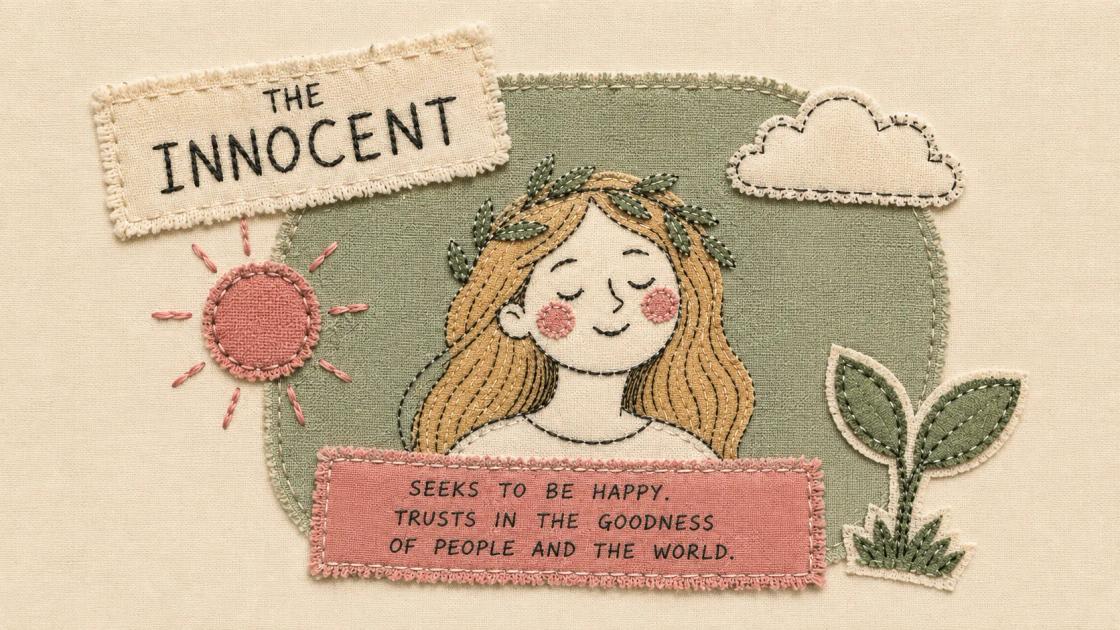
Driven by optimism and simplicity. The Innocent brand promises that things can be straightforward, wholesome, and done right. Dove and Coca-Cola are the textbook examples.
In a referral, it sounds like: "They just make it easy. No tricks, no fine print."
2. The Explorer
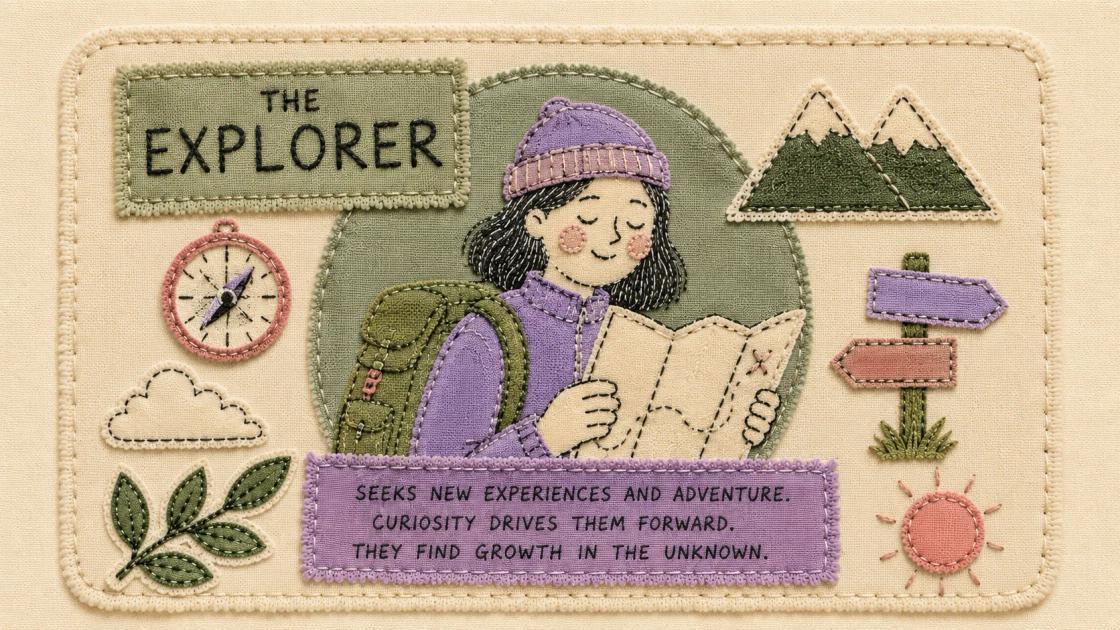
Driven by freedom and discovery. The Explorer brand is restless, independent, and allergic to the conventional path. Patagonia and Jeep own this territory.
In a referral, it sounds like: "They'll try things nobody else will touch."
3. The Hero
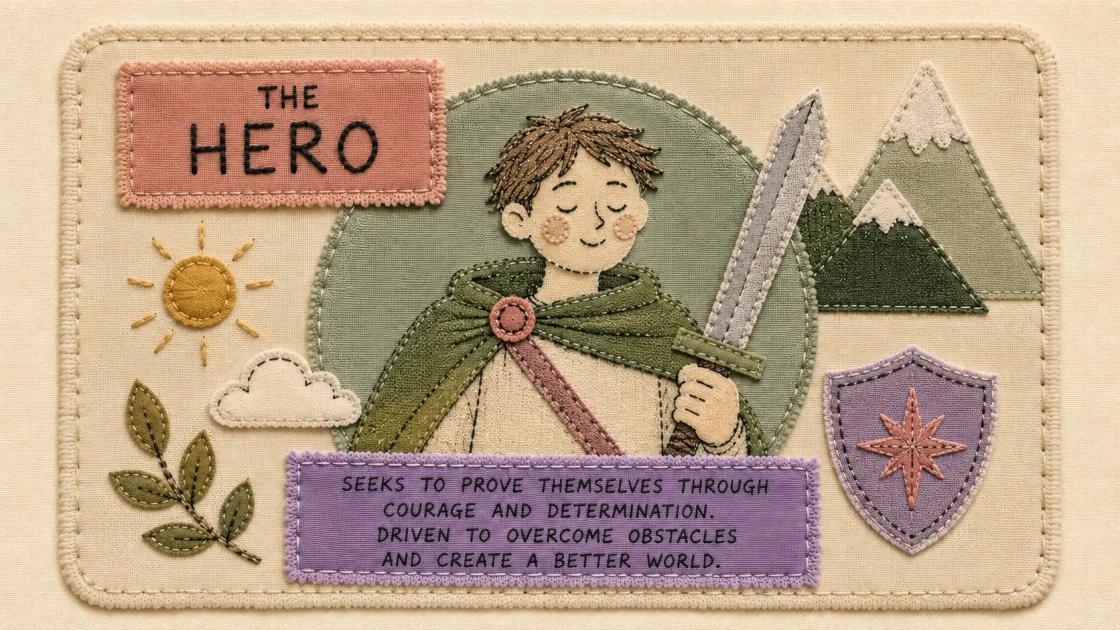
Driven by mastery and achievement. The Hero brand exists to win and to make its customers winners. Nike built half a century on it.
In a referral, it sounds like: "If it matters, use them. They don't lose."
4. The Lover
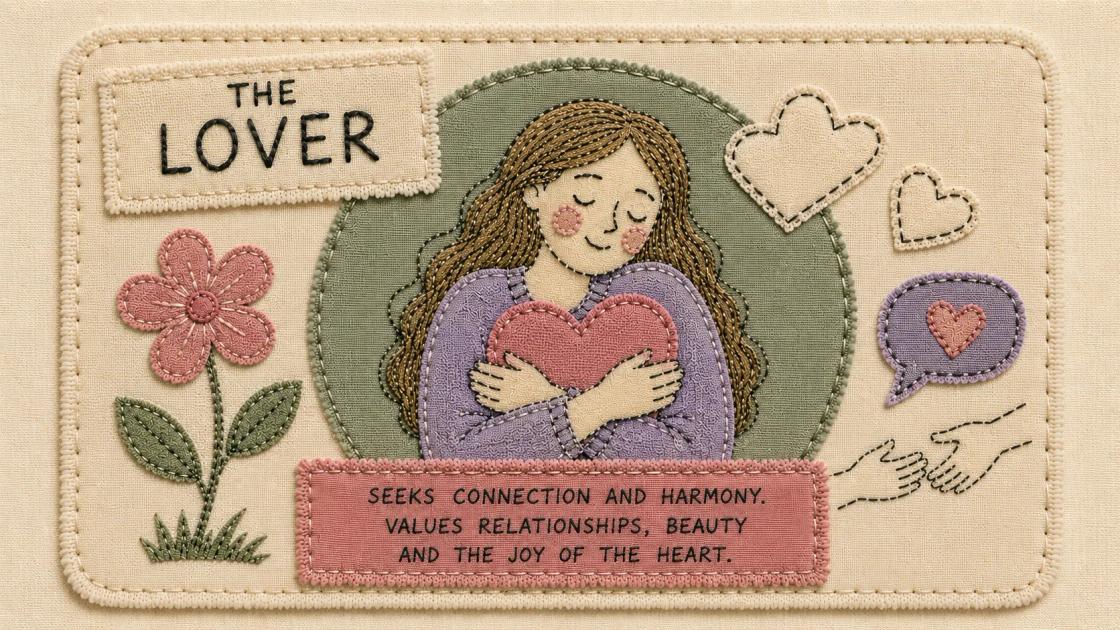
Driven by intimacy and sensory experience. The Lover brand makes its customers feel chosen, and sweats every detail of how things look, feel, and sound. Chanel is the archetype's home address.
In a referral, it sounds like: "Everything they touch feels considered."
5. The Ruler
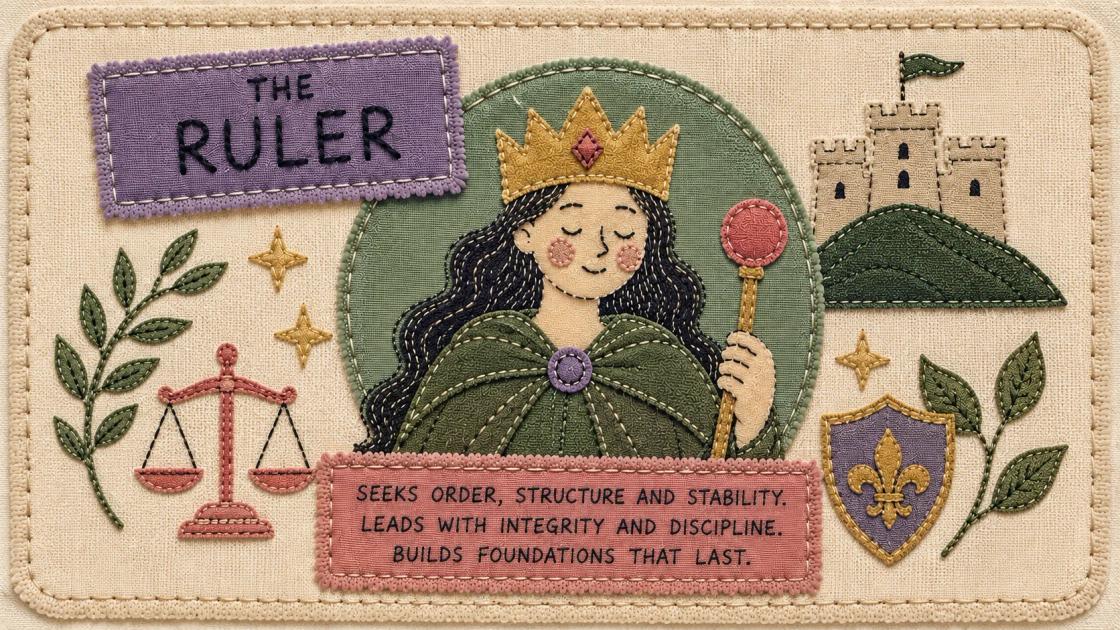
Driven by control and authority. The Ruler brand sets the standard the category measures itself against. Rolex, Mercedes-Benz.
In a referral, it sounds like: "They're the benchmark. Everyone compares themselves to them."
6. The Leader
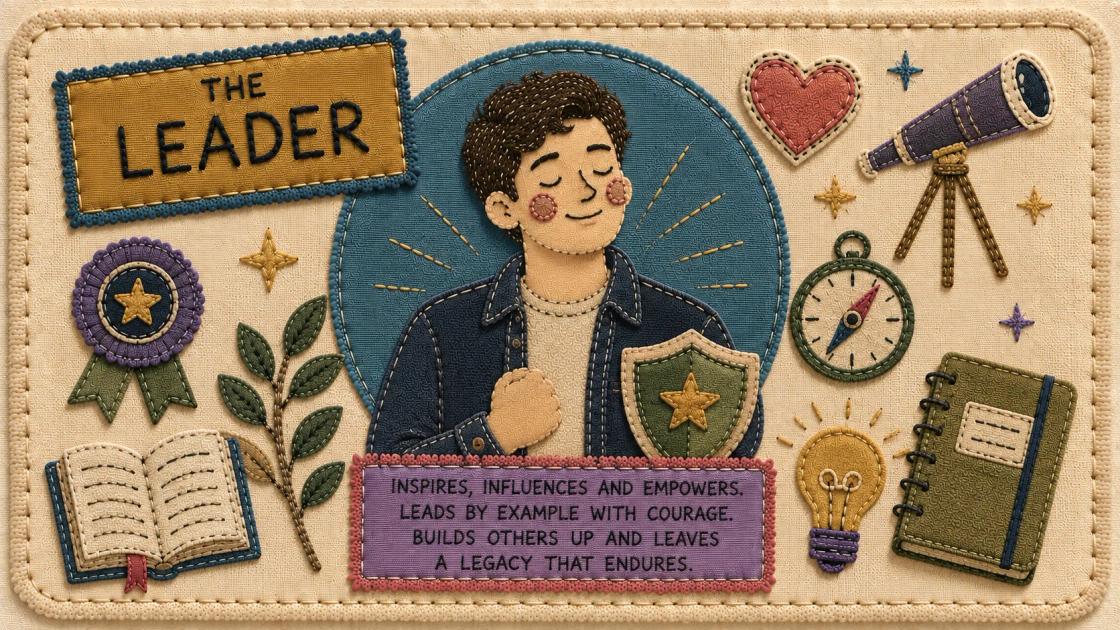
Driven by direction. A newer addition, split off from The Ruler: the Ruler holds the standard, the Leader moves people toward something new. The Leader brand is followed rather than deferred to, and its customers buy conviction as much as capability.
In a referral, it sounds like: "When nobody knows what to do next, everyone looks at them."
7. The Magician
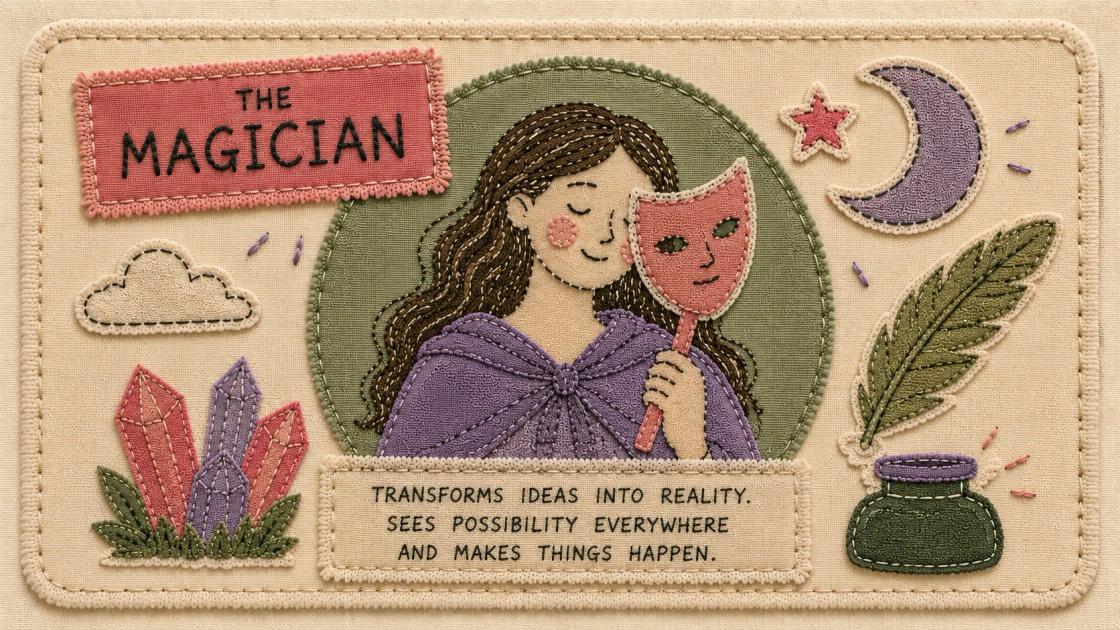
Driven by transformation. The Magician brand makes the impossible look effortless and sells the moment where everything changes. Disney has held this one for a hundred years.
In a referral, it sounds like: "I don't know how they did it, but they did."
8. The Visionary
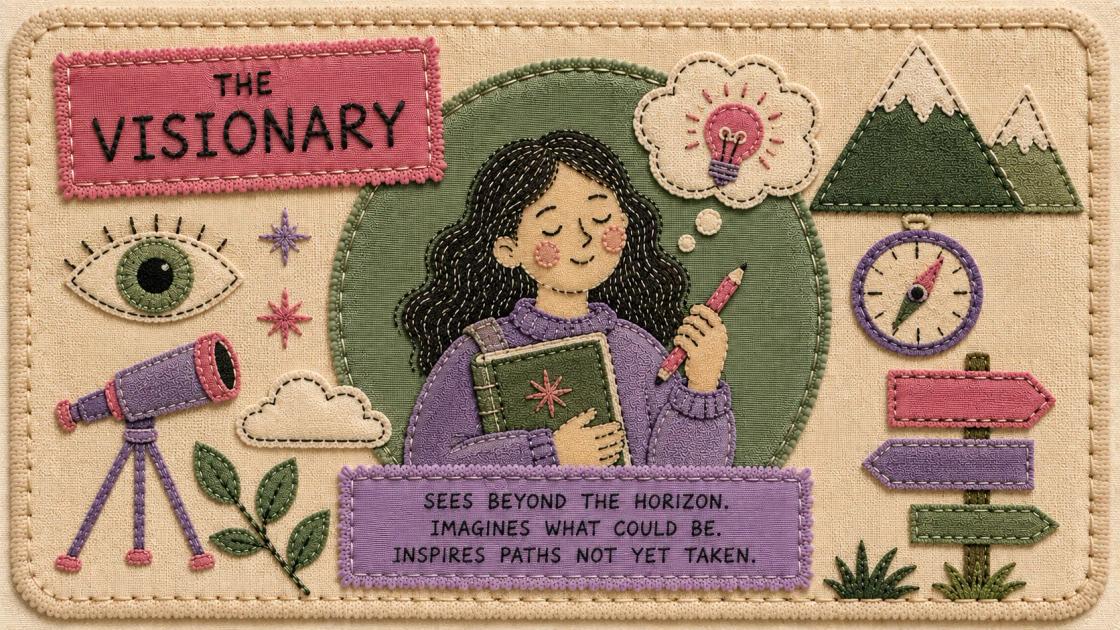
Driven by the future. The Magician's close cousin, and a newer addition: where the Magician sells the moment of transformation, the Visionary sells what's coming and the confidence of being early to it. Tesla's first decade ran entirely on this character.
In a referral, it sounds like: "They see where it's going before anyone else does."
9. The Sage
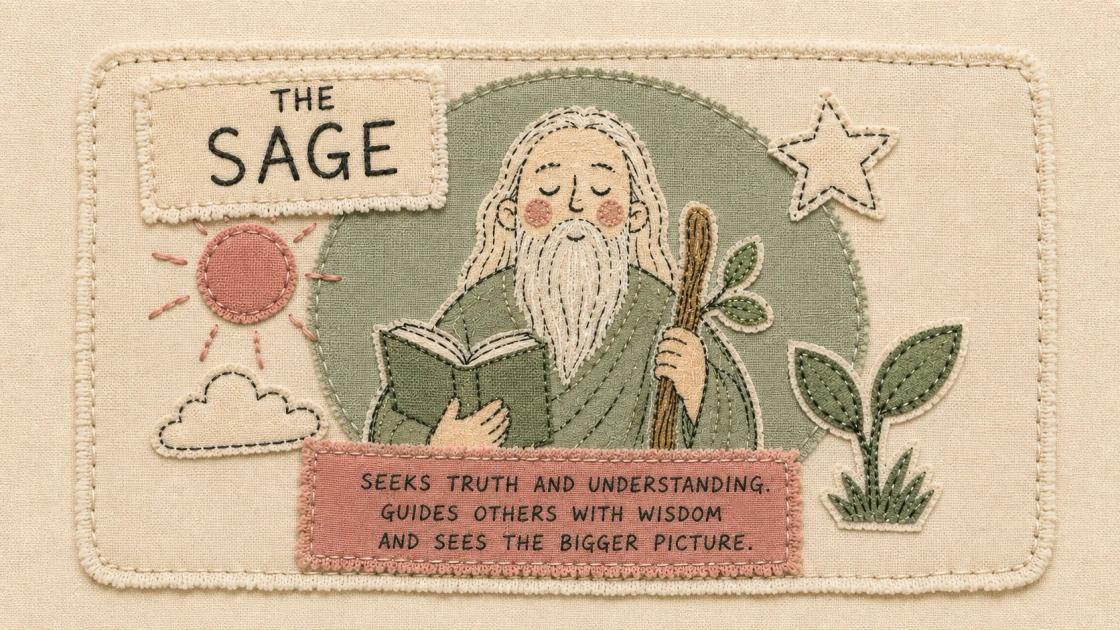
Driven by wisdom and truth. The Sage brand trades on knowing more, seeing further, and telling it straight. The Economist has never needed to be anything else.
In a referral, it sounds like: "They've been doing this forever. Ask them first."
10. The Thinker
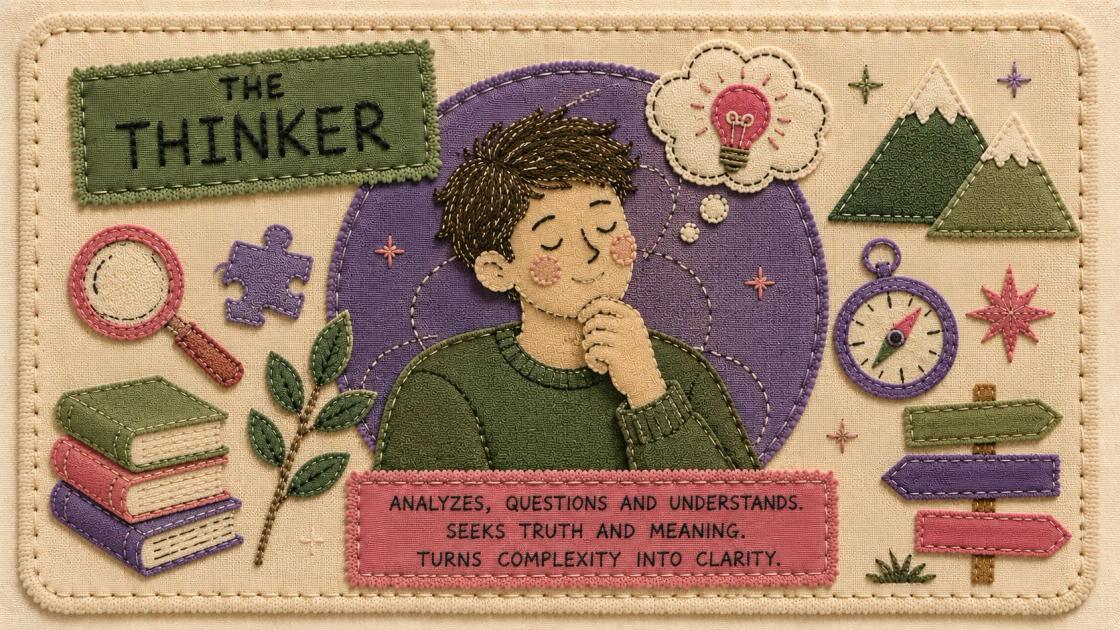
Driven by rigour. A newer addition, split off from The Sage: where the Sage trades on accumulated wisdom, the Thinker trades on analysis, taking a problem apart until it gives up its answer. The character behind every firm hired for the questions nobody else can untangle.
In a referral, it sounds like: "Give them the hard problem. They'll get to the bottom of it."
11. The Maker
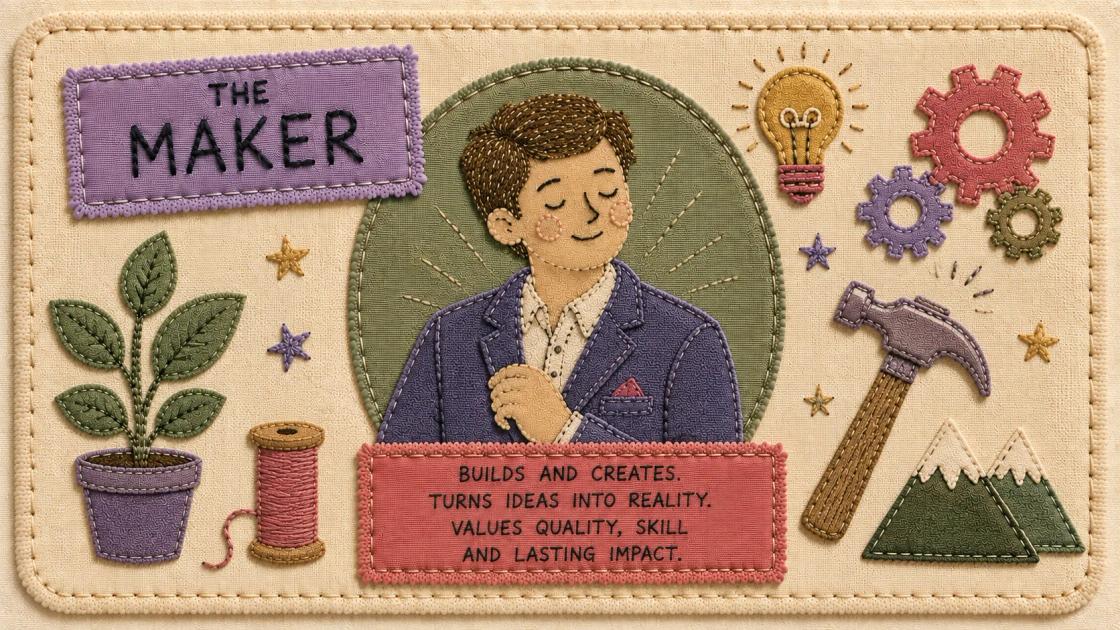
Driven by craft. The traditional lists call this one The Creator, but the character is less artist, more craftsperson: obsessed with the work itself, sometimes past the point of commercial sense, and loved for exactly that. Lego is the canonical case.
In a referral, it sounds like: "The work is beautiful. You can tell they care."
12. The Protector
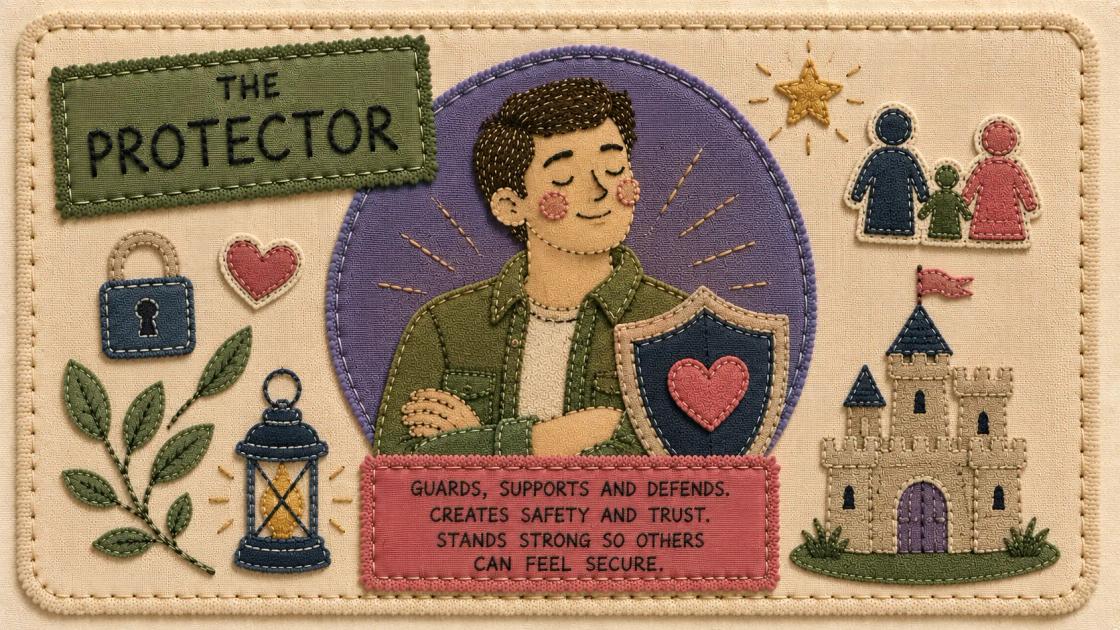
Driven by service and protection. The traditional name, The Caregiver, undersells the agency in this character: the Protector brand holds the details, absorbs the risk, and never drops the ball. Volvo turned it into a car company.
In a referral, it sounds like: "They'll look after you. Nothing falls through the cracks."
Twelve labels. Only one of them is already yours.
FAQ
What are the 12 brand archetypes?
A framework adapted from Jung that groups brands into recognisable characters: Hero, Sage, Outlaw and so on. Sound as a lens, misused as a menu.
Can I choose my brand's archetype?
Not really. Your market assigned you one years ago through every interaction it has had with you. The real work is finding the archetype you already occupy and deciding whether to lean in or shift it deliberately.
How do I find out which archetype my brand has?
Ask customers to describe the brand as a person, read your reviews for recurring character words, and check how AI assistants describe you. The pattern that emerges is your assigned archetype.